
_

🌿 The Ultimate Vivarium Guide
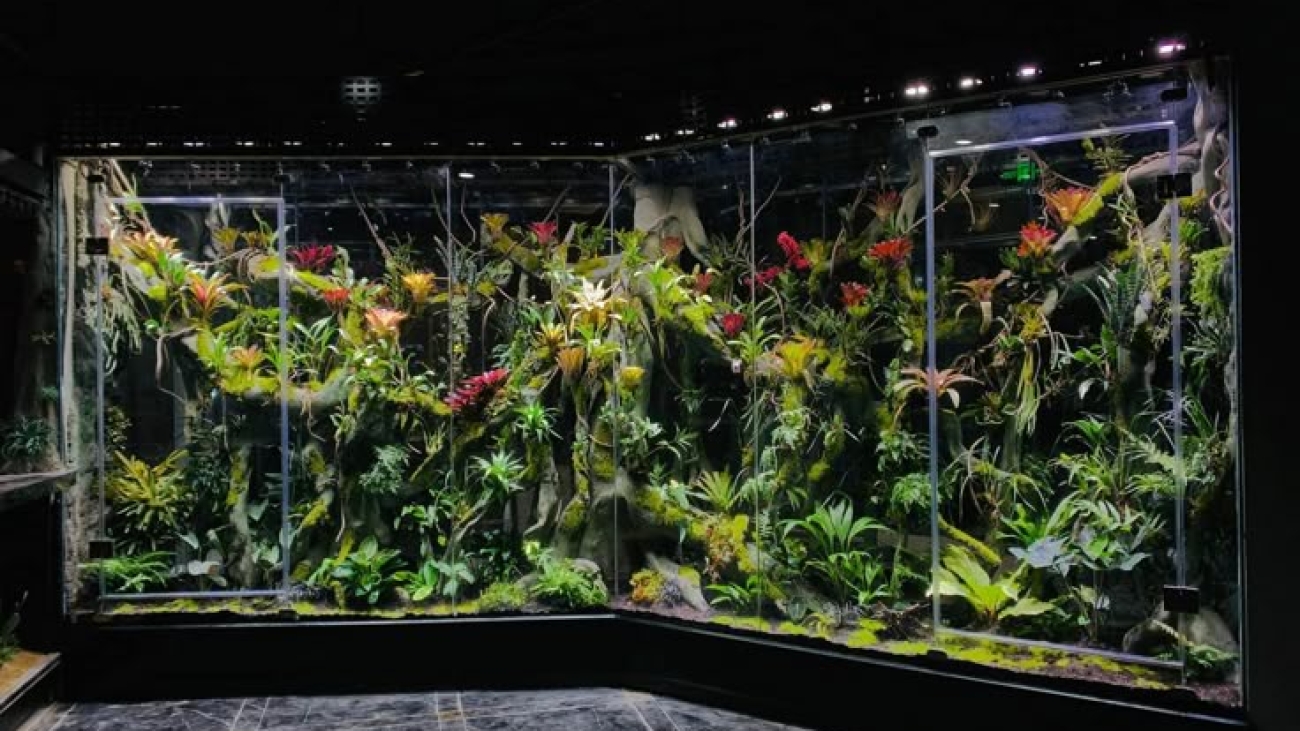
A vivarium is a self-contained habitat that replicates natural ecosystems in a tank, terrarium, or container. Unlike aquariums, vivariums focus primarily on land or semi-aquatic environments, supporting plants, amphibians, reptiles, and small invertebrates. This guide covers everything you need to create a thriving vivarium.


🪨 Step-by-Step Setup Guide

1. Choose the Container

Select a tall or wide glass or acrylic tank depending on species and plant choices. Tall tanks are ideal for climbing species and vertical planting, while wide tanks are great for ground-dwelling plants and amphibians.

2. Plan the Layout

  • Decide on the purpose: forest, desert, or tropical rainforest simulation.
  • Sketch your layout for substrate layers, plants, hiding spots, and climbing structures.
  • Include caves, logs, and driftwood for animal enrichment.
  • Leave open areas for easy maintenance and observation.

3. Substrate

  • Bottom Drainage Layer: Small pebbles or LECA balls for excess water drainage.
  • Barrier Layer: Mesh or landscape fabric to separate drainage from soil.
  • Planting Layer: Nutrient-rich soil, coco fiber, or potting soil.
  • Top Layer: Moss, leaf litter, or sand depending on your theme.

4. Install Equipment

  • Lighting: Full-spectrum LEDs for plant growth and animal health. Provide 10–12 hours/day.
  • Heating: Heat mats or bulbs if species require specific temperature ranges (22–28°C / 72–82°F).
  • Humidity Monitor: Hygrometer to track humidity levels, typically 60–90% for tropical setups.
  • Water Features: Small waterfalls, shallow pools, or drip systems for humidity and drinking sources.

5. Planting

  • Foreground Plants: Mosses, ferns, small ground-cover plants.
  • Midground Plants: Bromeliads, ferns, pothos, small shrubs.
  • Background / Climbing Plants: Vines, epiphytes, larger ferns.
  • Attach epiphytes to wood or rocks for a natural appearance.
  • Ensure plant species match the vivarium’s humidity and light requirements.

6. Introduce Animals

  • Begin with hardy, low-maintenance species: dart frogs, tree frogs, small reptiles like anoles, or invertebrates like springtails and isopods.
  • Introduce animals gradually to avoid stress and allow them to acclimate.
  • Ensure all species are compatible with each other and the plant layout.
  • Provide hiding spots, climbing areas, and shallow water dishes for drinking.

7. Maintain Water and Humidity

  • Mist plants and land surfaces daily or use an automated misting system.
  • Maintain humidity appropriate for your species: 60–90% for tropical, 40–50% for temperate species.
  • Check and clean shallow water areas to prevent bacterial growth.

8. Regular Maintenance

  • Trim plants regularly to prevent overgrowth.
  • Remove dead leaves or decaying matter promptly.
  • Monitor temperature and humidity daily.
  • Observe animal behavior for signs of stress, illness, or improper environment.
  • Replace or clean filter media if using aquatic or semi-aquatic systems.

🌿 Recommended Plants

  • Ferns (Nephrolepis, Microsorum)
  • Mosses (Java moss, Sheet moss, Cushion moss)
  • Bromeliads (Neoregelia, Guzmania)
  • Pothos (Epipremnum aureum)
  • Fittonia (nerve plants), Peperomia, small vines

🐸 & 🐍 Suitable Animals

  • Small frogs: Dart frogs, Tree frogs, Pacman frogs (species-specific)
  • Reptiles: Anoles, small geckos, small skinks
  • Invertebrates: Springtails, isopods, small snails

⚠️ Common Beginner Mistakes

  • Overwatering or under-watering plants and soil.
  • Adding too many animals too soon.
  • Choosing plants or animals that are incompatible with humidity or temperature levels.
  • Neglecting cleaning water dishes or shallow pools.
  • Poor ventilation leading to mold or fungus growth.

✅ Summary

A vivarium is a miniature terrestrial ecosystem that combines plants, soil, and animals in a controlled environment. With careful planning of layout, substrate, lighting, humidity, and animal selection, you can create a thriving, beautiful, and educational setup. Start slowly, monitor your parameters, and enjoy watching your vivarium grow and evolve over time!
Join Our WhatsApp Group for Vivarium Tips & Inspiration

7070

🌿 The Ultimate Paludarium Guide

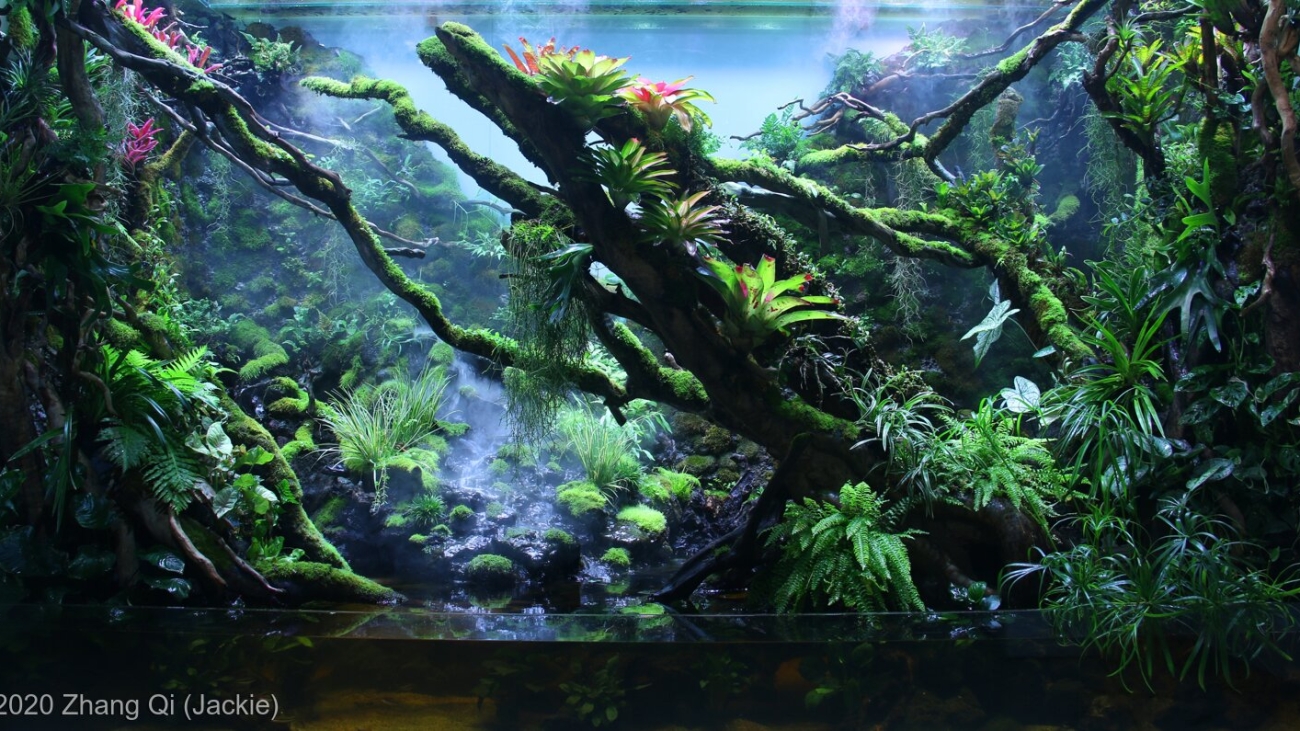
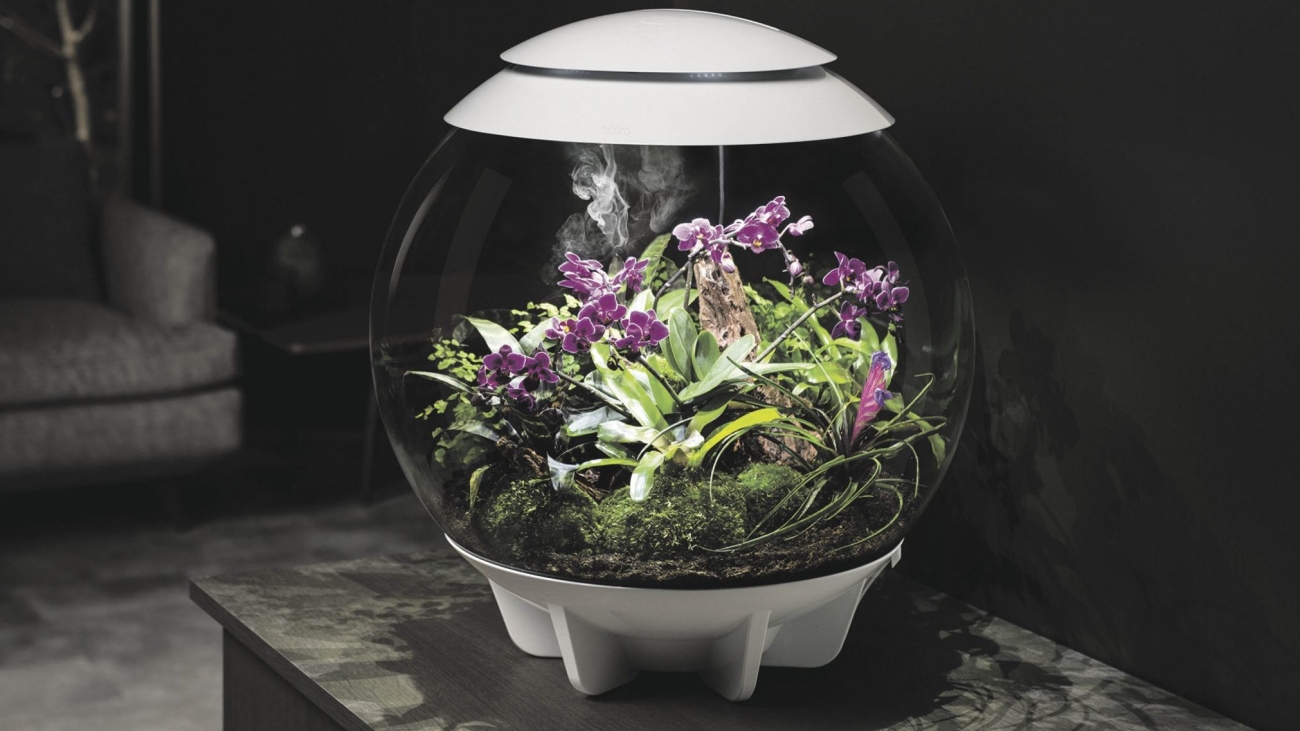
A paludarium is a hybrid ecosystem that combines a terrestrial and aquatic habitat in one container. Unlike standard aquariums or terrariums, paludariums allow you to grow plants above and below water and house both land and aquatic animals. This guide will take you through everything you need to know to create a thriving freshwater paludarium.
🪨 Step-by-Step Setup Guide

1. Choose Your Paludarium Container

Select a tall, sturdy glass or acrylic tank. Height is more important than width, as vertical space allows for land elevation and waterfalls. The tank should hold both a water section and a land section.

2. Plan the Layout

  • Decide the ratio of water to land. Common setups: 60% water / 40% land or 50/50.
  • Sketch the layout to determine where plants, rocks, and wood will go.
  • Include elevated land areas using rocks, foam, or driftwood.
  • Design waterfalls or streams if desired for humidity and circulation.

3. Substrate and Hardscape

  • Aquatic Substrate: Sand or fine gravel. Root tabs can supplement nutrients for aquatic plants.
  • Land Substrate: Nutrient-rich soil (coco fiber, potting soil) capped with sphagnum moss to prevent soil wash into water.
  • Hardscape: Use rocks, driftwood, or cork bark to create elevation, hiding spots, and climbing surfaces.

4. Install Equipment

  • Filter: Canister or sponge filter to maintain clean water.
  • Heater: Keep water at species-appropriate tropical temperature (24–28°C / 75–82°F).
  • Lighting: Full-spectrum LED lights for both aquatic and terrestrial plants.
  • Water Pump / Waterfall: Optional but improves circulation, oxygenation, and humidity.
  • Humidity Gauge: Monitor humidity for terrestrial plants and amphibians (60–90%).

5. Prepare the Water

  • Fill the aquatic section with dechlorinated water or aged tap water.
  • Check water parameters: pH (6.5–7.5), ammonia 0 ppm, nitrite 0 ppm, nitrate < 20 ppm.
  • Target water hardness suitable for fish and plants: GH 4–12, KH 3–8.
  • Check water temperature and adjust heater accordingly.
  • Optional: Add beneficial bacteria to accelerate cycling.

6. Planting the Paludarium

  • Terrestrial Plants: Ferns, mosses, bromeliads, pothos, epiphytic orchids.
  • Aquatic Plants: Java fern, Anubias, Amazon sword, Cryptocoryne, Java moss.
  • Arrange taller plants at the back and creeping plants in the foreground.
  • Use rocks and wood to attach epiphytes and create climbing surfaces.
  • Maintain a balance: aquatic plants in water and semi-aquatic plants at the waterline.

7. Cycle the Ecosystem

  • Run the water section for 4–6 weeks before adding fish to establish beneficial bacteria.
  • Regularly test ammonia, nitrite, and nitrate levels during cycling.
  • Partial water changes (10–20%) may be needed to stabilize parameters.

8. Adding Animals

  • Start with hardy aquatic animals: guppies, small tetras, shrimp, or snails.
  • Land/semiterrestrial animals: small frogs, tree frogs, or dart frogs (ensure proper humidity and safety).
  • Add animals slowly to avoid ammonia spikes and stress.
  • Ensure animals are compatible with each other and the environment.

9. Maintenance

  • Trim plants regularly and remove dead leaves.
  • Monitor water parameters weekly: pH, GH, KH, ammonia, nitrite, nitrate.
  • Perform partial water changes every 1–2 weeks.
  • Clean filter media without using tap water (use tank water).
  • Maintain high humidity (60–90%) for terrestrial plants and amphibians.
  • Observe animals daily for health and activity levels.

🌿 Popular Plants for Freshwater Paludariums

  • Terrestrial: Ferns, Pothos, Moss, Bromeliads, Fittonia, Peperomia
  • Aquatic: Java Fern, Anubias, Cryptocoryne, Amazon Sword, Java Moss, Bacopa
  • Epiphytes: Orchids, Tillandsia, small ferns attached to wood or rocks

🐟 & 🐸 Suitable Animals

  • Fish: Guppies, Rasboras, Neon Tetras, Endler’s Livebearers
  • Shrimp & Snails: Cherry Shrimp, Amano Shrimp, Nerite Snails
  • Amphibians: Dart frogs, tree frogs, small newts (species must match environment)

⚠️ Common Beginner Mistakes

  • Adding animals before the water is fully cycled.
  • Overcrowding the tank, causing stress and water quality issues.
  • Choosing incompatible plant or animal species.
  • Neglecting humidity, causing terrestrial plants to dry out.
  • Ignoring lighting or nutrient needs, leading to slow growth or algae problems.

✅ Summary

A freshwater paludarium is a fascinating way to combine land and water habitats in one ecosystem. By carefully planning your layout, substrate, plants, animals, and maintenance schedule, you can create a self-sustaining miniature rainforest. Start slowly, monitor your water and land parameters, and enjoy watching your ecosystem flourish!

Join Our WhatsApp Group for Paludarium Tips & Inspiration

OASE-Competition-image-scaled

🌿 Ultimate Guide to Terrariums: Create Your Own Miniature Ecosystem

Terrariums are miniature gardens enclosed in glass. They combine art, design, and nature to bring a touch of greenery into your home or office. Ideal for beginners or plant enthusiasts seeking a low-maintenance project.

🪴 What is a Terrarium?

A terrarium is a sealed or open container with soil, plants, and sometimes small decorative items. They can be closed (creating a humid, self-sustaining environment) or open (ideal for dry plants like succulents or cacti).

🌱 Benefits of Terrariums

  • Bring nature indoors with minimal space.
  • Improve air quality by adding live plants.
  • Low-maintenance compared to traditional houseplants.
  • Fun DIY project for beginners or children.
  • Can be customized with stones, figurines, and decorative elements.

🪨 Step-by-Step Setup Guide

1. Choose Your Container

Select a clear glass container: a jar, bowl, vase, or terrarium-specific container. Closed containers work for moisture-loving plants; open containers are best for succulents and cacti.

2. Prepare the Base

  • Drainage Layer: Add 1–2 inches of small pebbles or gravel to prevent waterlogging.
  • Activated Charcoal: Helps reduce odors and keeps water clean, especially for closed terrariums.
  • Soil Layer: Use potting soil suitable for your plant type. Succulents need sandy soil; tropical plants need moisture-retentive soil.

3. Plant Your Terrarium

  • Choose small plants that fit your container.
  • Remove excess soil from roots and plant carefully to avoid overcrowding.
  • Arrange plants with taller ones in the back and shorter in the front for visual depth.
  • Optional: Add moss, figurines, or decorative stones for aesthetics.

4. Watering & Humidity

  • Closed terrariums need minimal water; mist lightly if condensation disappears.
  • Open terrariums require more frequent watering depending on plant type.
  • Check soil moisture by touching the top layer—never let soil sit in standing water.

5. Lighting

  • Place terrariums in bright, indirect sunlight. Avoid direct sunlight to prevent overheating.
  • Artificial LED grow lights work well for indoor setups with low natural light.

6. Maintenance Tips

  • Trim dead leaves to prevent mold.
  • Monitor condensation in closed terrariums and adjust ventilation if needed.
  • Clean glass regularly for a clear view of your miniature garden.
  • Fertilize sparingly—terrarium plants usually need very little nutrients.

🌸 Popular Plants for Terrariums

  • Tropical Terrariums: Fittonia, Pilea, Ferns, Peperomia.
  • Succulent/Cactus Terrariums: Echeveria, Haworthia, Jade, Sedum.
  • Moss Terrariums: Sheet moss, Cushion moss, Mood moss.

🌟 Creative Ideas

  • Miniature fairy gardens with figurines and tiny furniture.
  • Use colored sand, shells, or crystals for decoration.
  • Create themed terrariums for seasons or holidays.

✅ Summary

Terrariums are a simple, creative way to bring nature indoors. With careful planning, the right container, and proper plant selection, you can enjoy a miniature garden that’s both decorative and low-maintenance. Start small, experiment, and watch your mini ecosystem thrive!

Join Our WhatsApp Group for Tips & Inspiration

reef-aquarium

🐠 Saltwater Aquariums & 🪸 Reef Tanks


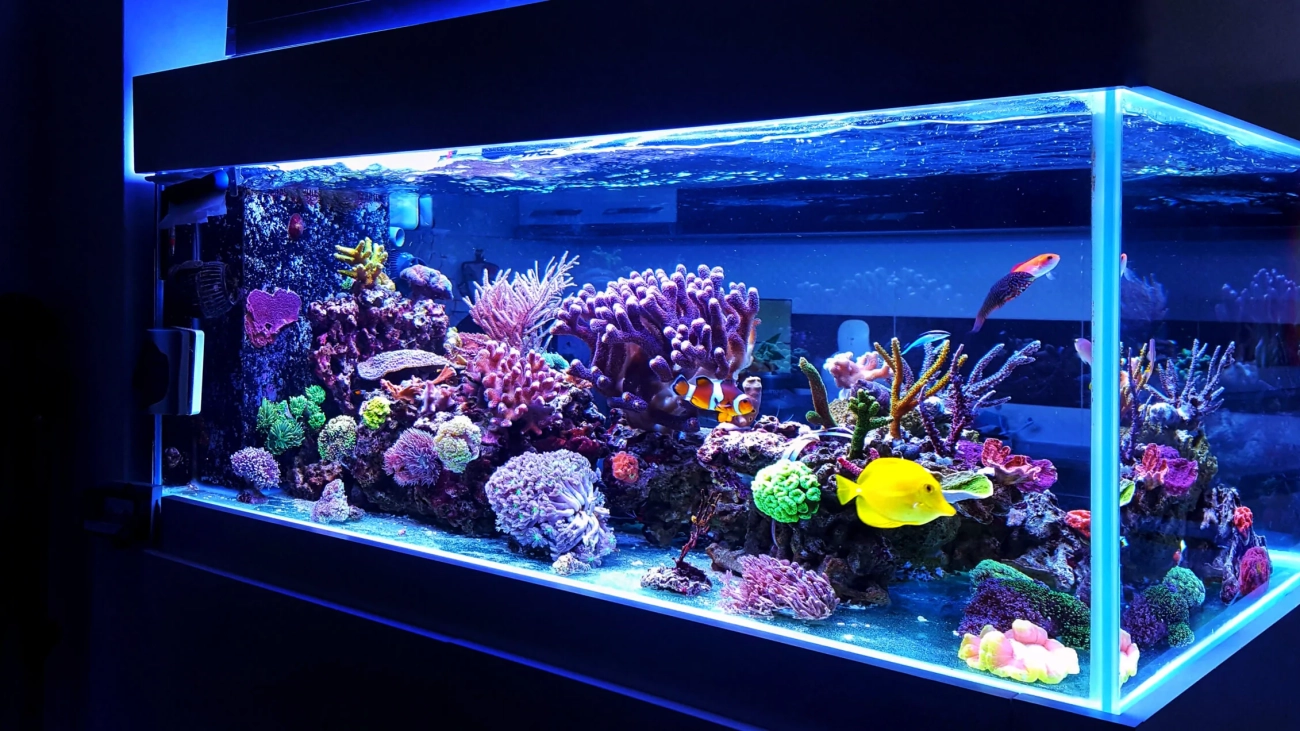
Saltwater aquariums and reef tanks bring the beauty of the ocean into your living or workspace. With colorful marine fish, corals, and live rock, you can create a thriving underwater ecosystem that feels like a natural reef. These setups are more advanced than freshwater aquariums, but with proper planning and care, they can become a stunning centerpiece and a source of relaxation.

For beginners, saltwater tanks can feel overwhelming. Common questions include:

  • What’s the difference between a saltwater tank and a reef tank?
  • How big should my first tank be?
  • What equipment do I really need?
  • Are corals hard to keep alive?

This guide will answer these questions and help you build your first marine aquarium successfully.


🌊 What’s the Difference?

Saltwater Aquariums generally house marine fish, live sand, and sometimes live rock.
Reef Tanks go a step further, adding corals and invertebrates, creating a mini-ecosystem that mimics real reefs.


🎨 Types of Saltwater Setups

1 Fish-Only (FO)

  • Basic saltwater tank with marine fish and decorations.
  • Lower maintenance, great for beginners.

2 FOWLR (Fish-Only with Live Rock)

  • Uses live rock for natural filtration and habitat.
  • More stable environment than FO tanks.

3 Reef Tank

  • Includes fish, corals, and invertebrates.
  • Most visually stunning but requires more care.

4 Nano Reef

  • Compact reef tanks under 100 liters.
  • Stylish but need extra attention to stability.

🛠 Equipment You’ll Need

A successful saltwater or reef tank requires the right gear:

1. Aquarium Tank

At least 100 liters for beginners — larger tanks are more stable.

2. Filtration

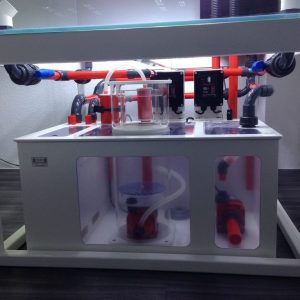
Protein skimmer, canister filter, or sump system to keep water clean.

3. Lighting 💡

Corals need reef-safe LED lighting with the right spectrum.

4. Heater & Chiller

Keeps water at a stable tropical temperature (24–26°C).

5. Live Rock & Substrate

Provides natural filtration and a habitat for marine life.

6. Salt Mix & RO/DI Water

Essential for creating clean, safe saltwater.


🪨 Step-by-Step Setup Guide: Saltwater & Reef Tanks

1. Plan Your Tank ✏️

Before buying anything, decide the type of marine aquarium you want:

  • Fish-Only (FO): Colorful marine fish with decorative rock or artificial corals.
  • Fish-Only with Live Rock (FOWLR): Includes live rock for biological filtration and hiding spots.
  • Reef Tank: Complete ecosystem including corals, invertebrates, and reef-safe fish.

Consider your space, budget, and experience level. Reef tanks are the most complex; beginners may start with FOWLR or fish-only setups.

2. Prepare the Tank

  • Clean the Aquarium: Rinse the glass with freshwater—never use soap or chemicals.
  • Add Substrate: Use sand or crushed coral. For reef tanks, live sand introduces beneficial bacteria.
  • Prepare Saltwater:
    • Use RO/DI water for purity.
    • Mix marine salt according to instructions (usually 1 scoop per 10 liters).
    • Stir or use a pump to dissolve fully before adding to the tank.
    • Check Salinity: Ideal salinity is 1.023–1.025 SG (~35 ppt). Use a refractometer or hydrometer for accuracy.
  • Fill the Tank Slowly: Pour water gently over a plate or bowl to avoid disturbing substrate.

3. Add Live Rock & Decorations

  • Live Rock provides essential bacteria and structure.
  • Arrange rocks using the rule of thirds for a natural look.
  • Ensure rocks are stable—never stack in a way that could collapse.

4. Install Equipment

a) Filtration

  • Canister Filter / Hang-On-Back Filter: Removes debris and maintains water clarity.
  • Protein Skimmer: Removes dissolved organic waste before it turns into ammonia/nitrate.
    • Setup: Place on the tank or sump according to instructions.
    • Adjust airflow to produce fine bubbles.
    • Empty the collection cup regularly.

b) Heater

  • Keep water at 24–26°C for most tropical marine fish.
  • Use a reliable thermometer to monitor temperature.

c) Lighting

  • LED or T5 lights are ideal for reef tanks.
  • Soft corals need moderate lighting; SPS corals require high-intensity lighting.
  • Use a timer to maintain 8–10 hours/day.

d) Water Movement

  • Powerheads or wavemakers mimic ocean currents.
  • Gentle flow for soft corals; stronger flow for SPS corals.

5. Cycle the Tank (4–6 weeks)

  • Establish beneficial bacteria that convert ammonia → nitrite → nitrate.
  • Test water parameters: ammonia, nitrite, nitrate, pH, and salinity.
  • Only add fish when ammonia and nitrite reach 0 ppm and nitrate is low.
  • Cycle using live rock, live sand, or a hardy fish as an ammonia source.

6. Add Livestock Slowly

  • Start with hardy fish like clownfish or gobies.
  • Introduce corals gradually.
  • Monitor water parameters and adjust equipment as needed.
  • Quarantine new fish/corals when possible.

✅ Extra Tips

  • Weekly testing of salinity, pH, nitrate, and other parameters.
  • Top-off water with RO/DI to replace evaporation without changing salinity.
  • Patience is key—rushing livestock addition can harm your tank.

🔧 Maintenance Tips

Water Changes: 10–20% weekly with clean saltwater.

Lighting: 8–10 hours/day with a timer.

Test Water: Regularly check salinity, pH, ammonia, nitrite, nitrate.

Feeding: Don’t overfeed — it causes algae growth.


⚡ Common Beginner Mistakes

Adding fish too early before cycling.

Using tap water instead of RO/DI water.

Overstocking fish or corals.

Skipping regular water tests.


🌟 What’s Next?

Saltwater aquariums and reef tanks require patience, but the results are breathtaking. With the right guidance, you can enjoy a thriving marine world at home. At Urban Nature Arts, we’ll be sharing detailed beginner-friendly guides on:

💡 Choosing Your First Marine Fish

🌱 Beginner Corals for Reef Tanks

🌊 Saltwater Aquarium Cycling Explained

✅ Start small, learn step by step, and soon you’ll have your own piece of the ocean.

Join Our Group