
🌿 Ultimate Guide to Terrariums: Create Your Own Miniature Ecosystem
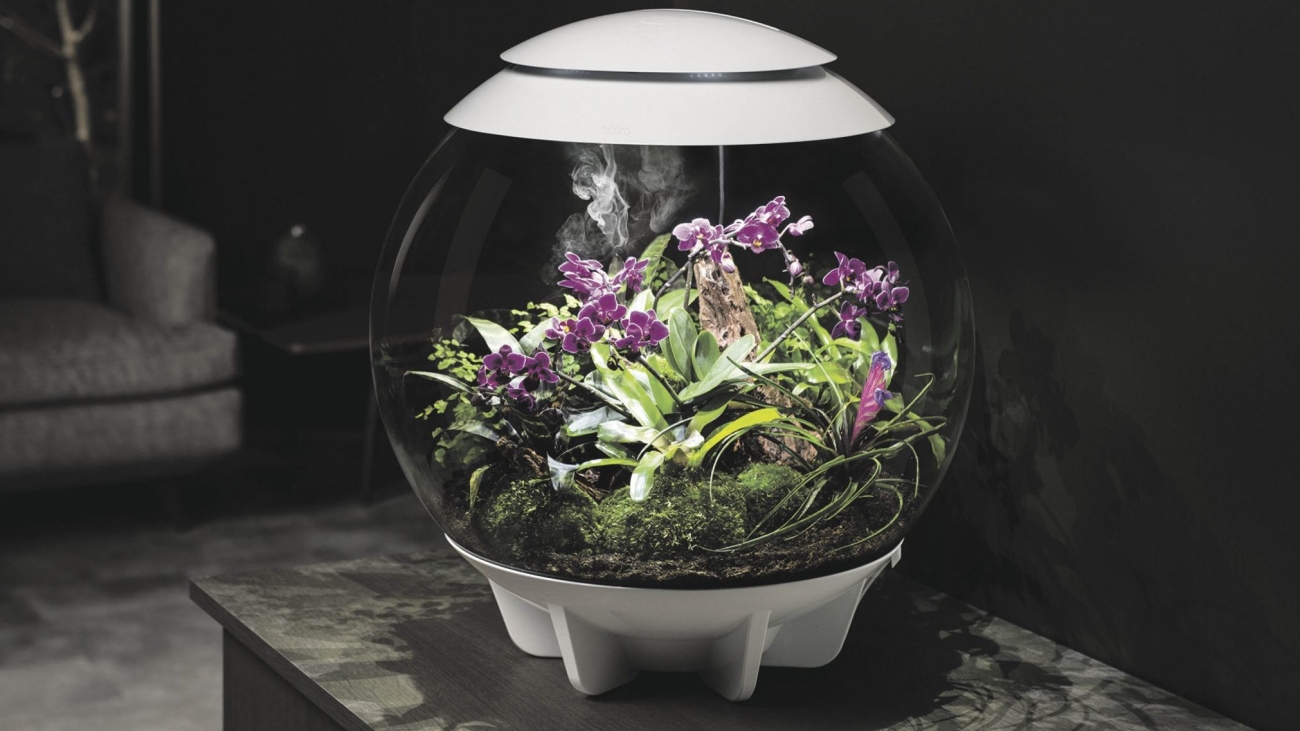
Terrariums are miniature gardens enclosed in glass. They combine art, design, and nature to bring a touch of greenery into your home or office. Ideal for beginners or plant enthusiasts seeking a low-maintenance project.
🪴 What is a Terrarium?
A terrarium is a sealed or open container with soil, plants, and sometimes small decorative items. They can be closed (creating a humid, self-sustaining environment) or open (ideal for dry plants like succulents or cacti).
🌱 Benefits of Terrariums
- Bring nature indoors with minimal space.
- Improve air quality by adding live plants.
- Low-maintenance compared to traditional houseplants.
- Fun DIY project for beginners or children.
- Can be customized with stones, figurines, and decorative elements.
🪨 Step-by-Step Setup Guide
1. Choose Your Container
Select a clear glass container: a jar, bowl, vase, or terrarium-specific container. Closed containers work for moisture-loving plants; open containers are best for succulents and cacti.
2. Prepare the Base
- Drainage Layer: Add 1–2 inches of small pebbles or gravel to prevent waterlogging.
- Activated Charcoal: Helps reduce odors and keeps water clean, especially for closed terrariums.
- Soil Layer: Use potting soil suitable for your plant type. Succulents need sandy soil; tropical plants need moisture-retentive soil.
3. Plant Your Terrarium
- Choose small plants that fit your container.
- Remove excess soil from roots and plant carefully to avoid overcrowding.
- Arrange plants with taller ones in the back and shorter in the front for visual depth.
- Optional: Add moss, figurines, or decorative stones for aesthetics.
4. Watering & Humidity
- Closed terrariums need minimal water; mist lightly if condensation disappears.
- Open terrariums require more frequent watering depending on plant type.
- Check soil moisture by touching the top layer—never let soil sit in standing water.
5. Lighting
- Place terrariums in bright, indirect sunlight. Avoid direct sunlight to prevent overheating.
- Artificial LED grow lights work well for indoor setups with low natural light.
6. Maintenance Tips
- Trim dead leaves to prevent mold.
- Monitor condensation in closed terrariums and adjust ventilation if needed.
- Clean glass regularly for a clear view of your miniature garden.
- Fertilize sparingly—terrarium plants usually need very little nutrients.
🌸 Popular Plants for Terrariums
- Tropical Terrariums: Fittonia, Pilea, Ferns, Peperomia.
- Succulent/Cactus Terrariums: Echeveria, Haworthia, Jade, Sedum.
- Moss Terrariums: Sheet moss, Cushion moss, Mood moss.
🌟 Creative Ideas
- Miniature fairy gardens with figurines and tiny furniture.
- Use colored sand, shells, or crystals for decoration.
- Create themed terrariums for seasons or holidays.
✅ Summary
Terrariums are a simple, creative way to bring nature indoors. With careful planning, the right container, and proper plant selection, you can enjoy a miniature garden that’s both decorative and low-maintenance. Start small, experiment, and watch your mini ecosystem thrive!