
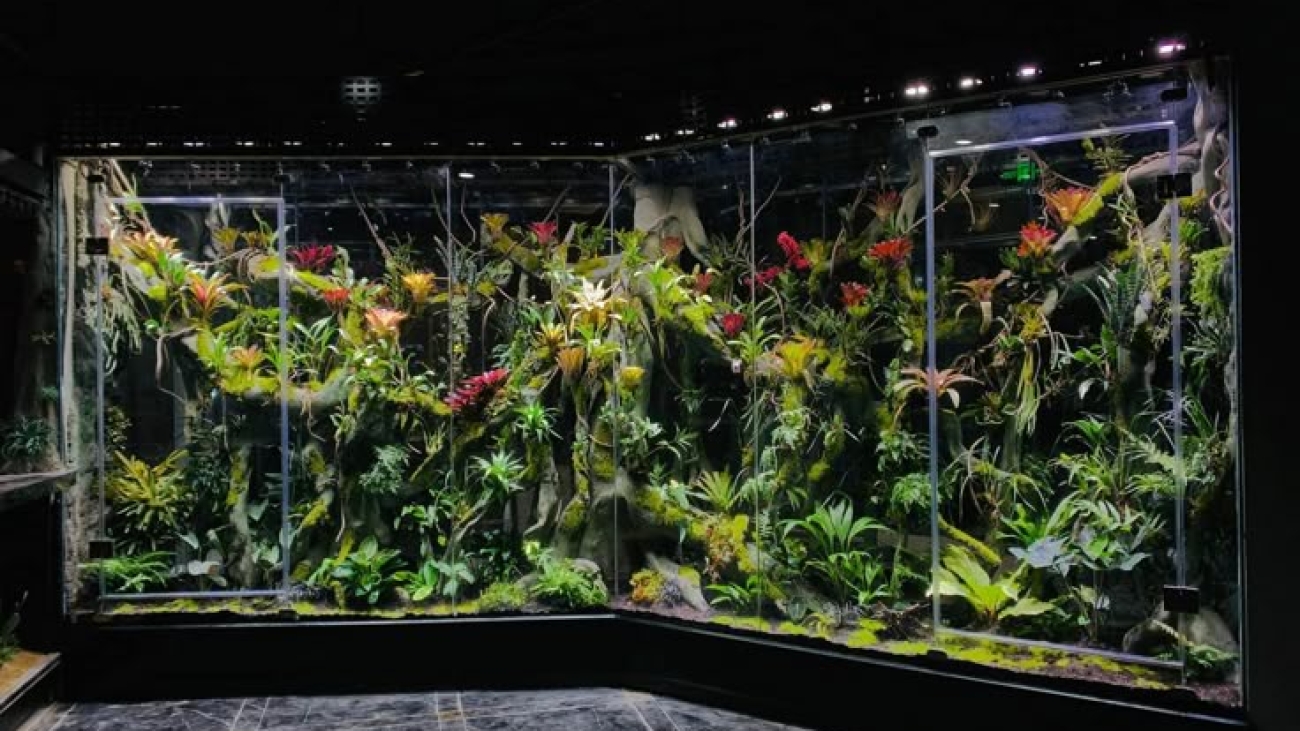
🌿 The Ultimate Vivarium Guide
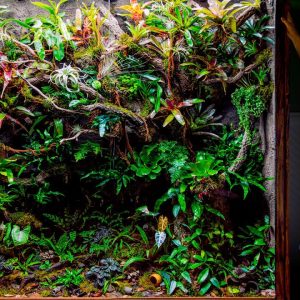 A vivarium is a self-contained habitat that replicates natural ecosystems in a tank, terrarium, or container. Unlike aquariums, vivariums focus primarily on land or semi-aquatic environments, supporting plants, amphibians, reptiles, and small invertebrates. This guide covers everything you need to create a thriving vivarium.
🪨 Step-by-Step Setup Guide
1. Choose the Container
Select a tall or wide glass or acrylic tank depending on species and plant choices. Tall tanks are ideal for climbing species and vertical planting, while wide tanks are great for ground-dwelling plants and amphibians.
2. Plan the Layout
- Decide on the purpose: forest, desert, or tropical rainforest simulation.
- Sketch your layout for substrate layers, plants, hiding spots, and climbing structures.
- Include caves, logs, and driftwood for animal enrichment.
- Leave open areas for easy maintenance and observation.
3. Substrate
- Bottom Drainage Layer: Small pebbles or LECA balls for excess water drainage.
- Barrier Layer: Mesh or landscape fabric to separate drainage from soil.
- Planting Layer: Nutrient-rich soil, coco fiber, or potting soil.
- Top Layer: Moss, leaf litter, or sand depending on your theme.
4. Install Equipment
- Lighting: Full-spectrum LEDs for plant growth and animal health. Provide 10–12 hours/day.
- Heating: Heat mats or bulbs if species require specific temperature ranges (22–28°C / 72–82°F).
- Humidity Monitor: Hygrometer to track humidity levels, typically 60–90% for tropical setups.
- Water Features: Small waterfalls, shallow pools, or drip systems for humidity and drinking sources.
5. Planting
- Foreground Plants: Mosses, ferns, small ground-cover plants.
- Midground Plants: Bromeliads, ferns, pothos, small shrubs.
- Background / Climbing Plants: Vines, epiphytes, larger ferns.
- Attach epiphytes to wood or rocks for a natural appearance.
- Ensure plant species match the vivarium’s humidity and light requirements.
6. Introduce Animals
- Begin with hardy, low-maintenance species: dart frogs, tree frogs, small reptiles like anoles, or invertebrates like springtails and isopods.
- Introduce animals gradually to avoid stress and allow them to acclimate.
- Ensure all species are compatible with each other and the plant layout.
- Provide hiding spots, climbing areas, and shallow water dishes for drinking.
7. Maintain Water and Humidity
- Mist plants and land surfaces daily or use an automated misting system.
- Maintain humidity appropriate for your species: 60–90% for tropical, 40–50% for temperate species.
- Check and clean shallow water areas to prevent bacterial growth.
8. Regular Maintenance
- Trim plants regularly to prevent overgrowth.
- Remove dead leaves or decaying matter promptly.
- Monitor temperature and humidity daily.
- Observe animal behavior for signs of stress, illness, or improper environment.
- Replace or clean filter media if using aquatic or semi-aquatic systems.
🌿 Recommended Plants
- Ferns (Nephrolepis, Microsorum)
- Mosses (Java moss, Sheet moss, Cushion moss)
- Bromeliads (Neoregelia, Guzmania)
- Pothos (Epipremnum aureum)
- Fittonia (nerve plants), Peperomia, small vines
🐸 & 🐍 Suitable Animals
- Small frogs: Dart frogs, Tree frogs, Pacman frogs (species-specific)
- Reptiles: Anoles, small geckos, small skinks
- Invertebrates: Springtails, isopods, small snails
⚠️ Common Beginner Mistakes
- Overwatering or under-watering plants and soil.
- Adding too many animals too soon.
- Choosing plants or animals that are incompatible with humidity or temperature levels.
- Neglecting cleaning water dishes or shallow pools.
- Poor ventilation leading to mold or fungus growth.
✅ Summary
A vivarium is a miniature terrestrial ecosystem that combines plants, soil, and animals in a controlled environment. With careful planning of layout, substrate, lighting, humidity, and animal selection, you can create a thriving, beautiful, and educational setup. Start slowly, monitor your parameters, and enjoy watching your vivarium grow and evolve over time!