
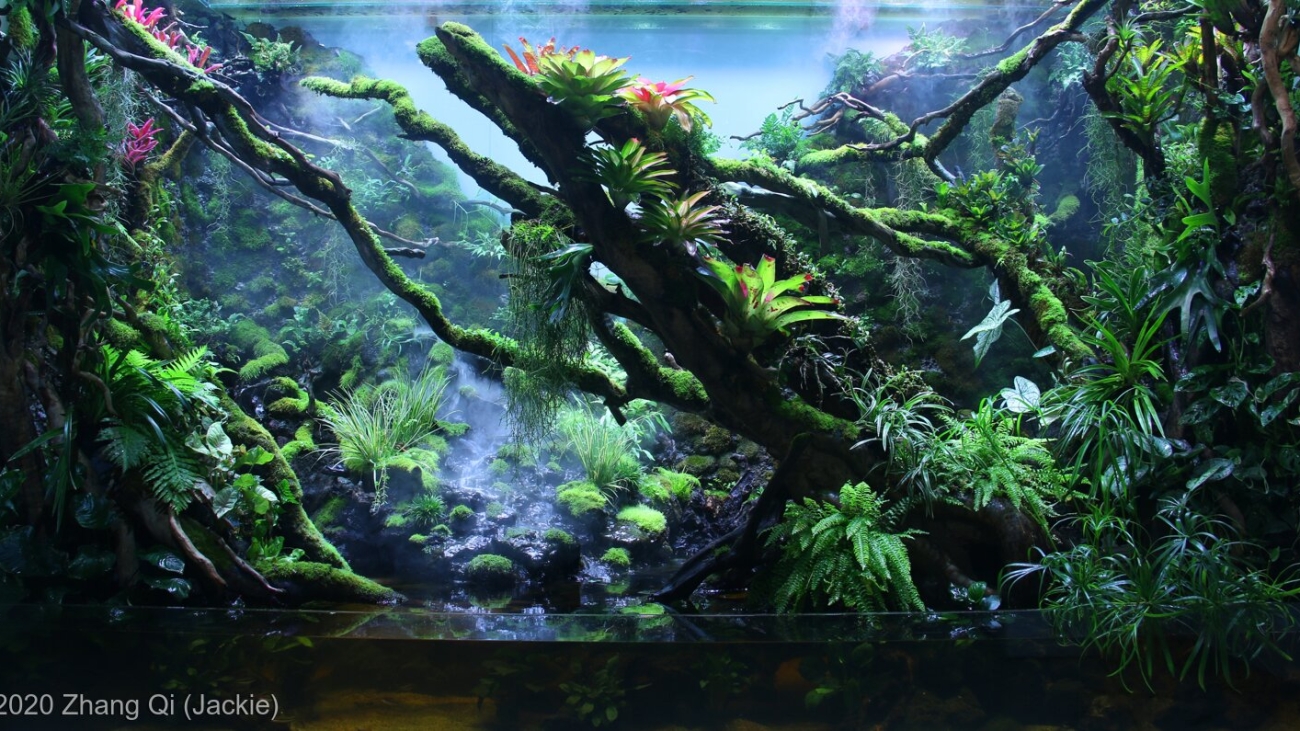
🌿 The Ultimate Paludarium Guide
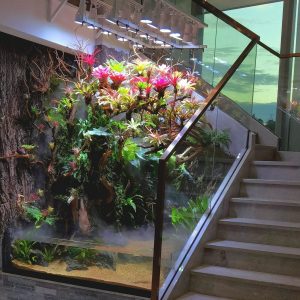 A paludarium is a hybrid ecosystem that combines a terrestrial and aquatic habitat in one container. Unlike standard aquariums or terrariums, paludariums allow you to grow plants above and below water and house both land and aquatic animals. This guide will take you through everything you need to know to create a thriving freshwater paludarium.
🪨 Step-by-Step Setup Guide
1. Choose Your Paludarium Container
Select a tall, sturdy glass or acrylic tank. Height is more important than width, as vertical space allows for land elevation and waterfalls. The tank should hold both a water section and a land section.
2. Plan the Layout
- Decide the ratio of water to land. Common setups: 60% water / 40% land or 50/50.
- Sketch the layout to determine where plants, rocks, and wood will go.
- Include elevated land areas using rocks, foam, or driftwood.
- Design waterfalls or streams if desired for humidity and circulation.
3. Substrate and Hardscape
- Aquatic Substrate: Sand or fine gravel. Root tabs can supplement nutrients for aquatic plants.
- Land Substrate: Nutrient-rich soil (coco fiber, potting soil) capped with sphagnum moss to prevent soil wash into water.
- Hardscape: Use rocks, driftwood, or cork bark to create elevation, hiding spots, and climbing surfaces.
4. Install Equipment
- Filter: Canister or sponge filter to maintain clean water.
- Heater: Keep water at species-appropriate tropical temperature (24–28°C / 75–82°F).
- Lighting: Full-spectrum LED lights for both aquatic and terrestrial plants.
- Water Pump / Waterfall: Optional but improves circulation, oxygenation, and humidity.
- Humidity Gauge: Monitor humidity for terrestrial plants and amphibians (60–90%).
5. Prepare the Water
- Fill the aquatic section with dechlorinated water or aged tap water.
- Check water parameters: pH (6.5–7.5), ammonia 0 ppm, nitrite 0 ppm, nitrate < 20 ppm.
- Target water hardness suitable for fish and plants: GH 4–12, KH 3–8.
- Check water temperature and adjust heater accordingly.
- Optional: Add beneficial bacteria to accelerate cycling.
6. Planting the Paludarium
- Terrestrial Plants: Ferns, mosses, bromeliads, pothos, epiphytic orchids.
- Aquatic Plants: Java fern, Anubias, Amazon sword, Cryptocoryne, Java moss.
- Arrange taller plants at the back and creeping plants in the foreground.
- Use rocks and wood to attach epiphytes and create climbing surfaces.
- Maintain a balance: aquatic plants in water and semi-aquatic plants at the waterline.
7. Cycle the Ecosystem
- Run the water section for 4–6 weeks before adding fish to establish beneficial bacteria.
- Regularly test ammonia, nitrite, and nitrate levels during cycling.
- Partial water changes (10–20%) may be needed to stabilize parameters.
8. Adding Animals
- Start with hardy aquatic animals: guppies, small tetras, shrimp, or snails.
- Land/semiterrestrial animals: small frogs, tree frogs, or dart frogs (ensure proper humidity and safety).
- Add animals slowly to avoid ammonia spikes and stress.
- Ensure animals are compatible with each other and the environment.
9. Maintenance
- Trim plants regularly and remove dead leaves.
- Monitor water parameters weekly: pH, GH, KH, ammonia, nitrite, nitrate.
- Perform partial water changes every 1–2 weeks.
- Clean filter media without using tap water (use tank water).
- Maintain high humidity (60–90%) for terrestrial plants and amphibians.
- Observe animals daily for health and activity levels.
🌿 Popular Plants for Freshwater Paludariums
- Terrestrial: Ferns, Pothos, Moss, Bromeliads, Fittonia, Peperomia
- Aquatic: Java Fern, Anubias, Cryptocoryne, Amazon Sword, Java Moss, Bacopa
- Epiphytes: Orchids, Tillandsia, small ferns attached to wood or rocks
🐟 & 🐸 Suitable Animals
- Fish: Guppies, Rasboras, Neon Tetras, Endler’s Livebearers
- Shrimp & Snails: Cherry Shrimp, Amano Shrimp, Nerite Snails
- Amphibians: Dart frogs, tree frogs, small newts (species must match environment)
⚠️ Common Beginner Mistakes
- Adding animals before the water is fully cycled.
- Overcrowding the tank, causing stress and water quality issues.
- Choosing incompatible plant or animal species.
- Neglecting humidity, causing terrestrial plants to dry out.
- Ignoring lighting or nutrient needs, leading to slow growth or algae problems.
✅ Summary
A freshwater paludarium is a fascinating way to combine land and water habitats in one ecosystem. By carefully planning your layout, substrate, plants, animals, and maintenance schedule, you can create a self-sustaining miniature rainforest. Start slowly, monitor your water and land parameters, and enjoy watching your ecosystem flourish!