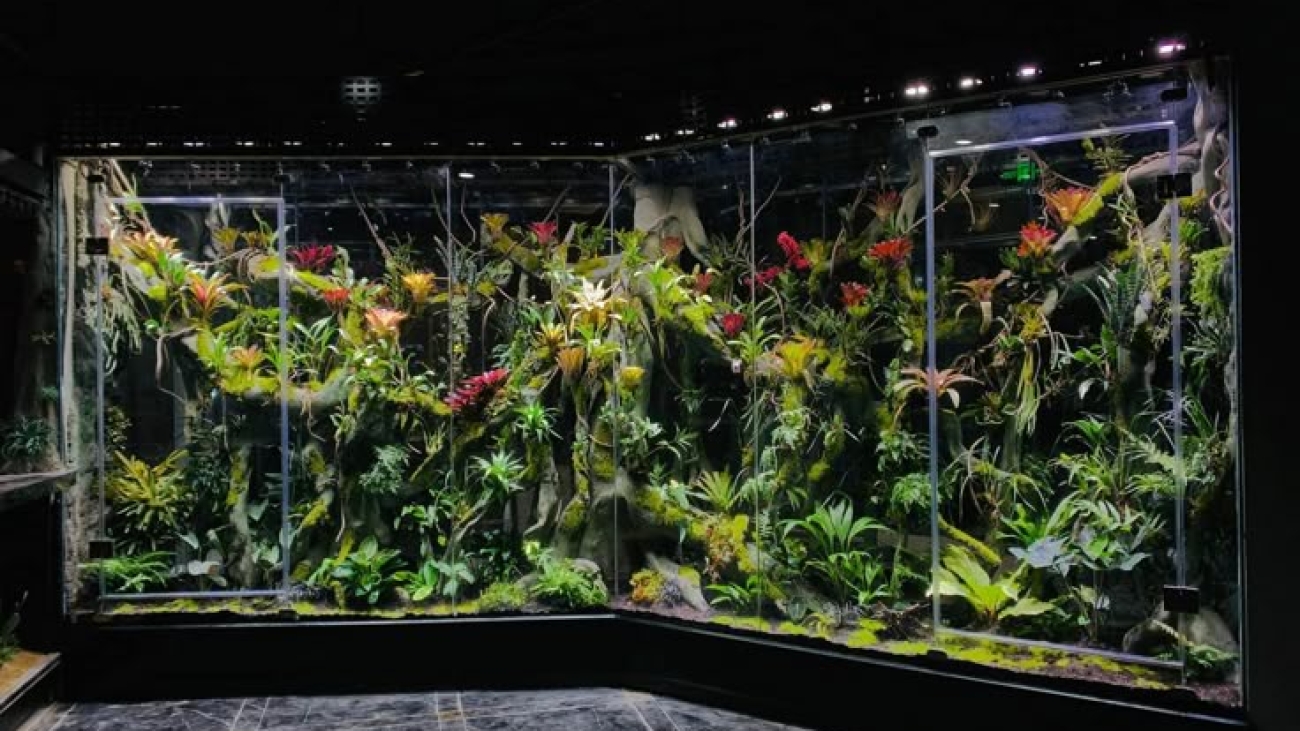
🌿 The Ultimate Vivarium Guide
 A vivarium is a self-contained habitat that replicates natural ecosystems in a tank, terrarium, or container. Unlike aquariums, vivariums focus primarily on land or semi-aquatic environments, supporting plants, amphibians, reptiles, and small invertebrates. This guide covers everything you need to create a thriving vivarium.
🪨 Step-by-Step Setup Guide
1. Choose the Container
Select a tall or wide glass or acrylic tank depending on species and plant choices. Tall tanks are ideal for climbing species and vertical planting, while wide tanks are great for ground-dwelling plants and amphibians.
2. Plan the Layout
- Decide on the purpose: forest, desert, or tropical rainforest simulation.
- Sketch your layout for substrate layers, plants, hiding spots, and climbing structures.
- Include caves, logs, and driftwood for animal enrichment.
- Leave open areas for easy maintenance and observation.
3. Substrate
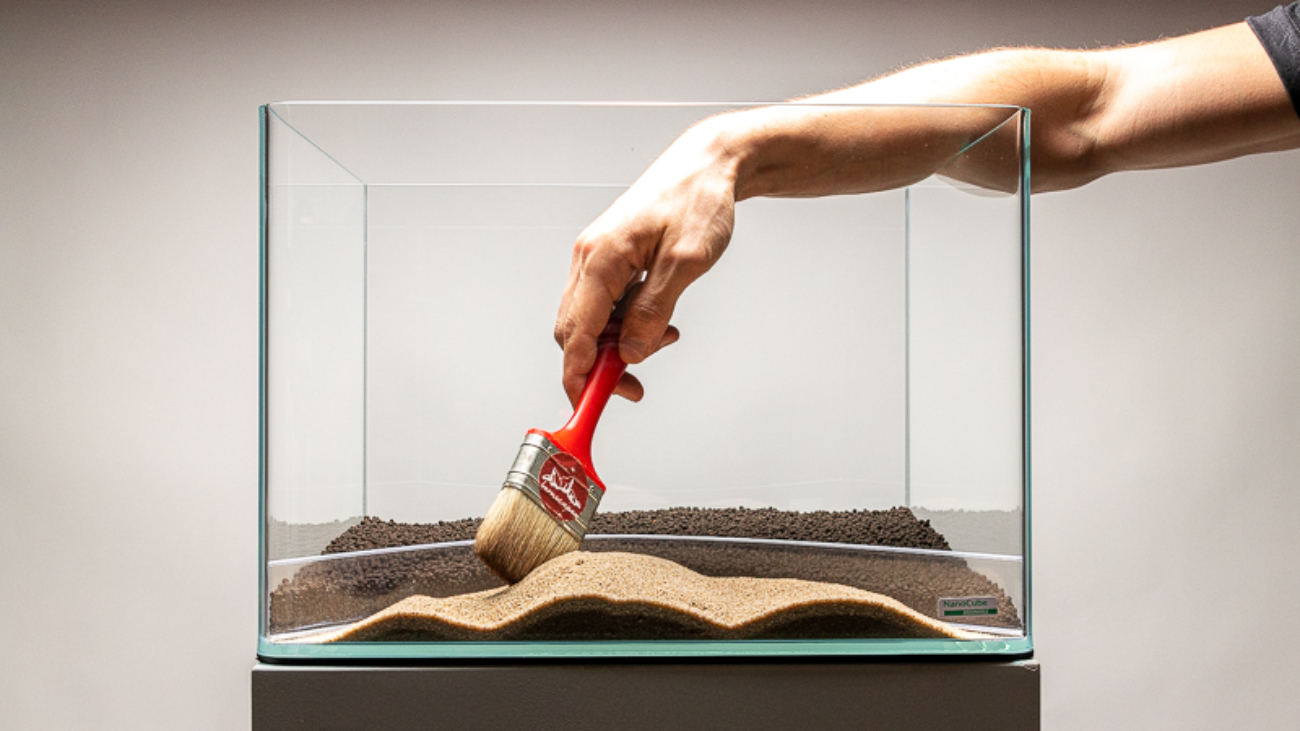
- Bottom Drainage Layer: Small pebbles or LECA balls for excess water drainage.
- Barrier Layer: Mesh or landscape fabric to separate drainage from soil.
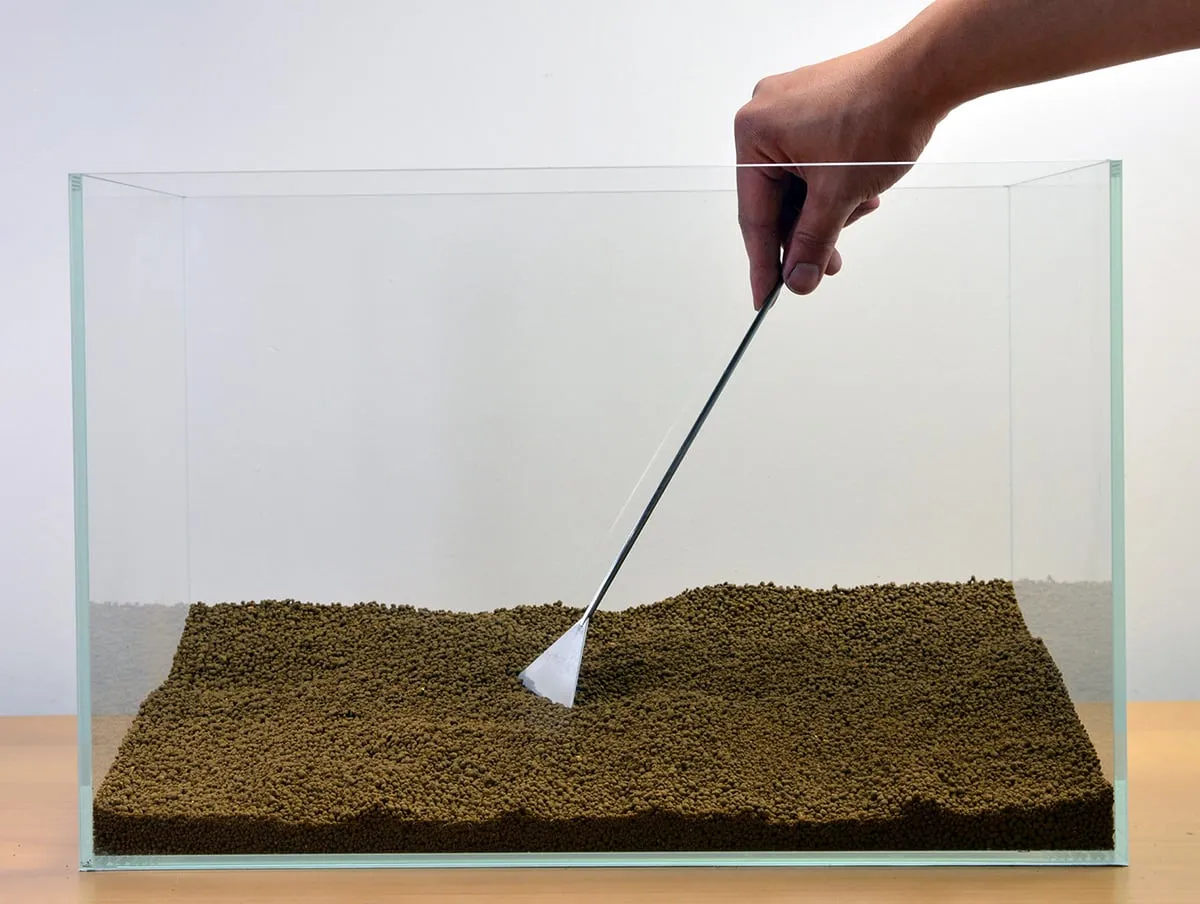
- Planting Layer: Nutrient-rich soil, coco fiber, or potting soil.
- Top Layer: Moss, leaf litter, or sand depending on your theme.
4. Install Equipment
- Lighting: Full-spectrum LEDs for plant growth and animal health. Provide 10–12 hours/day.
- Heating: Heat mats or bulbs if species require specific temperature ranges (22–28°C / 72–82°F).
- Humidity Monitor: Hygrometer to track humidity levels, typically 60–90% for tropical setups.
- Water Features: Small waterfalls, shallow pools, or drip systems for humidity and drinking sources.
5. Planting
- Foreground Plants: Mosses, ferns, small ground-cover plants.
- Midground Plants: Bromeliads, ferns, pothos, small shrubs.
- Background / Climbing Plants: Vines, epiphytes, larger ferns.
- Attach epiphytes to wood or rocks for a natural appearance.
- Ensure plant species match the vivarium’s humidity and light requirements.
6. Introduce Animals
- Begin with hardy, low-maintenance species: dart frogs, tree frogs, small reptiles like anoles, or invertebrates like springtails and isopods.
- Introduce animals gradually to avoid stress and allow them to acclimate.
- Ensure all species are compatible with each other and the plant layout.
- Provide hiding spots, climbing areas, and shallow water dishes for drinking.
7. Maintain Water and Humidity
- Mist plants and land surfaces daily or use an automated misting system.
- Maintain humidity appropriate for your species: 60–90% for tropical, 40–50% for temperate species.
- Check and clean shallow water areas to prevent bacterial growth.
8. Regular Maintenance
- Trim plants regularly to prevent overgrowth.
- Remove dead leaves or decaying matter promptly.
- Monitor temperature and humidity daily.
- Observe animal behavior for signs of stress, illness, or improper environment.
- Replace or clean filter media if using aquatic or semi-aquatic systems.
🌿 Recommended Plants
- Ferns (Nephrolepis, Microsorum)
- Mosses (Java moss, Sheet moss, Cushion moss)
- Bromeliads (Neoregelia, Guzmania)
- Pothos (Epipremnum aureum)
- Fittonia (nerve plants), Peperomia, small vines
🐸 & 🐍 Suitable Animals
- Small frogs: Dart frogs, Tree frogs, Pacman frogs (species-specific)
- Reptiles: Anoles, small geckos, small skinks
- Invertebrates: Springtails, isopods, small snails
⚠️ Common Beginner Mistakes
- Overwatering or under-watering plants and soil.
- Adding too many animals too soon.
- Choosing plants or animals that are incompatible with humidity or temperature levels.
- Neglecting cleaning water dishes or shallow pools.
- Poor ventilation leading to mold or fungus growth.
✅ Summary
A vivarium is a miniature terrestrial ecosystem that combines plants, soil, and animals in a controlled environment. With careful planning of layout, substrate, lighting, humidity, and animal selection, you can create a thriving, beautiful, and educational setup. Start slowly, monitor your parameters, and enjoy watching your vivarium grow and evolve over time!
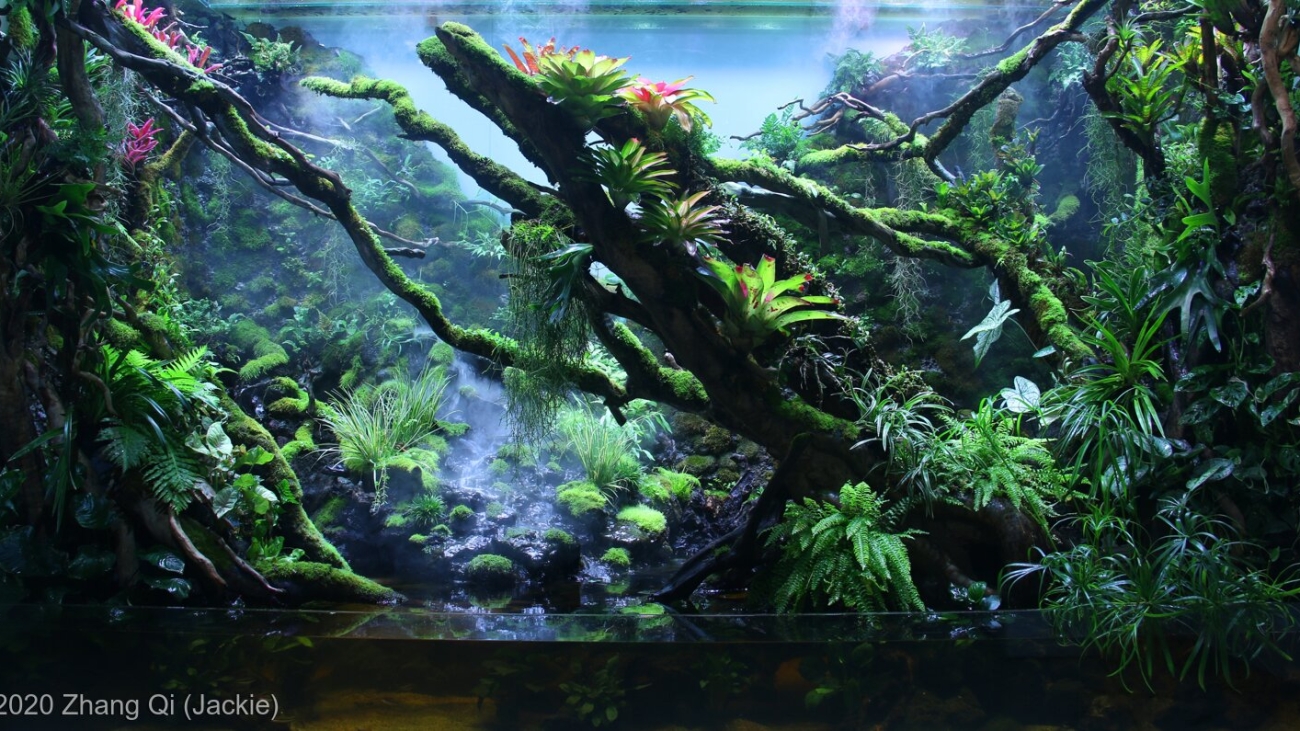
 A paludarium is a hybrid ecosystem that combines a terrestrial and aquatic habitat in one container. Unlike standard aquariums or terrariums, paludariums allow you to grow plants above and below water and house both land and aquatic animals. This guide will take you through everything you need to know to create a thriving freshwater paludarium.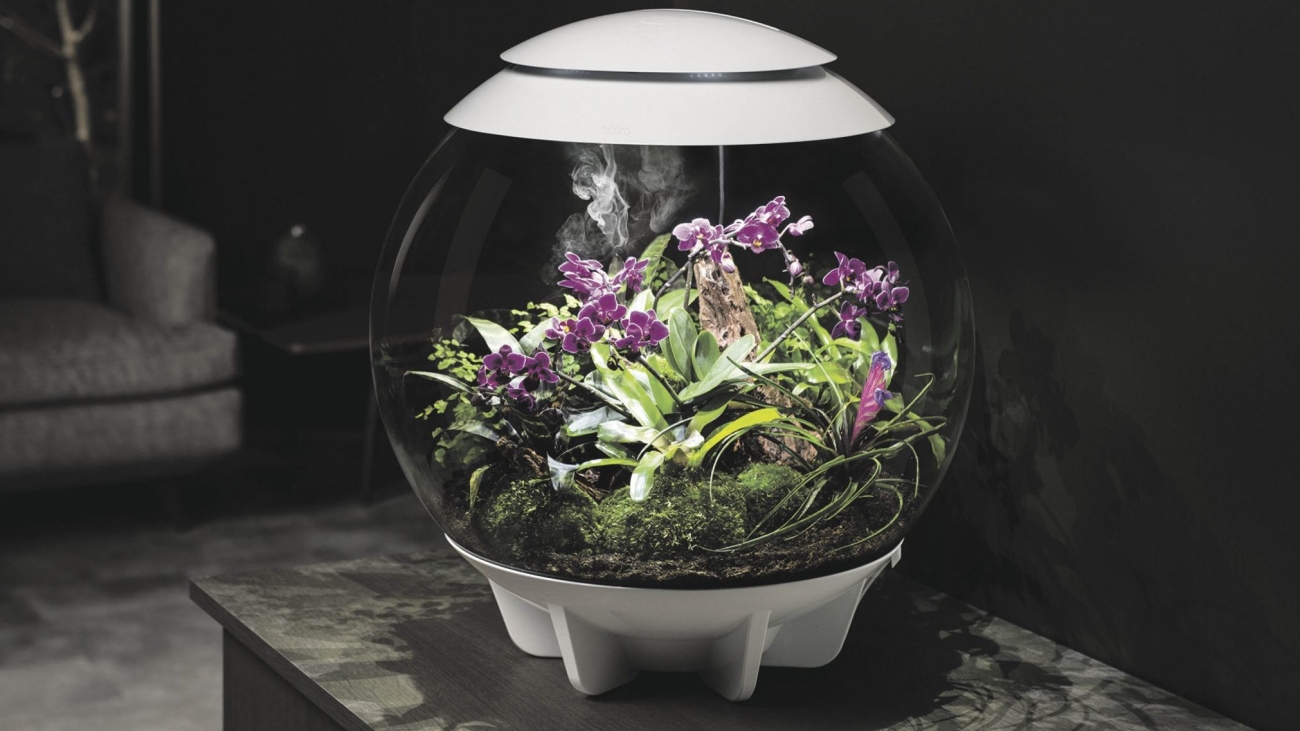
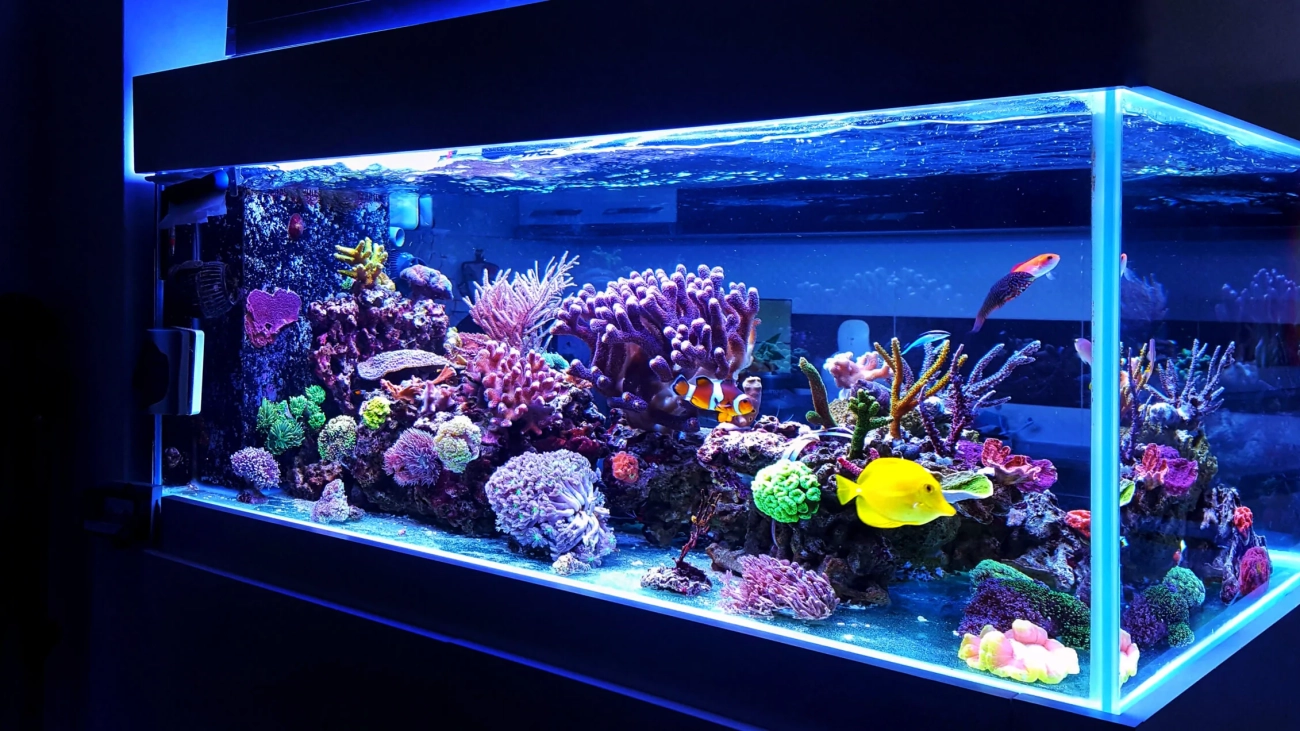
 Saltwater aquariums and reef tanks bring the beauty of the ocean into your living or workspace. With colorful marine fish, corals, and live rock, you can create a thriving underwater ecosystem that feels like a natural reef. These setups are more advanced than freshwater aquariums, but with proper planning and care, they can become a stunning centerpiece and a source of relaxation.