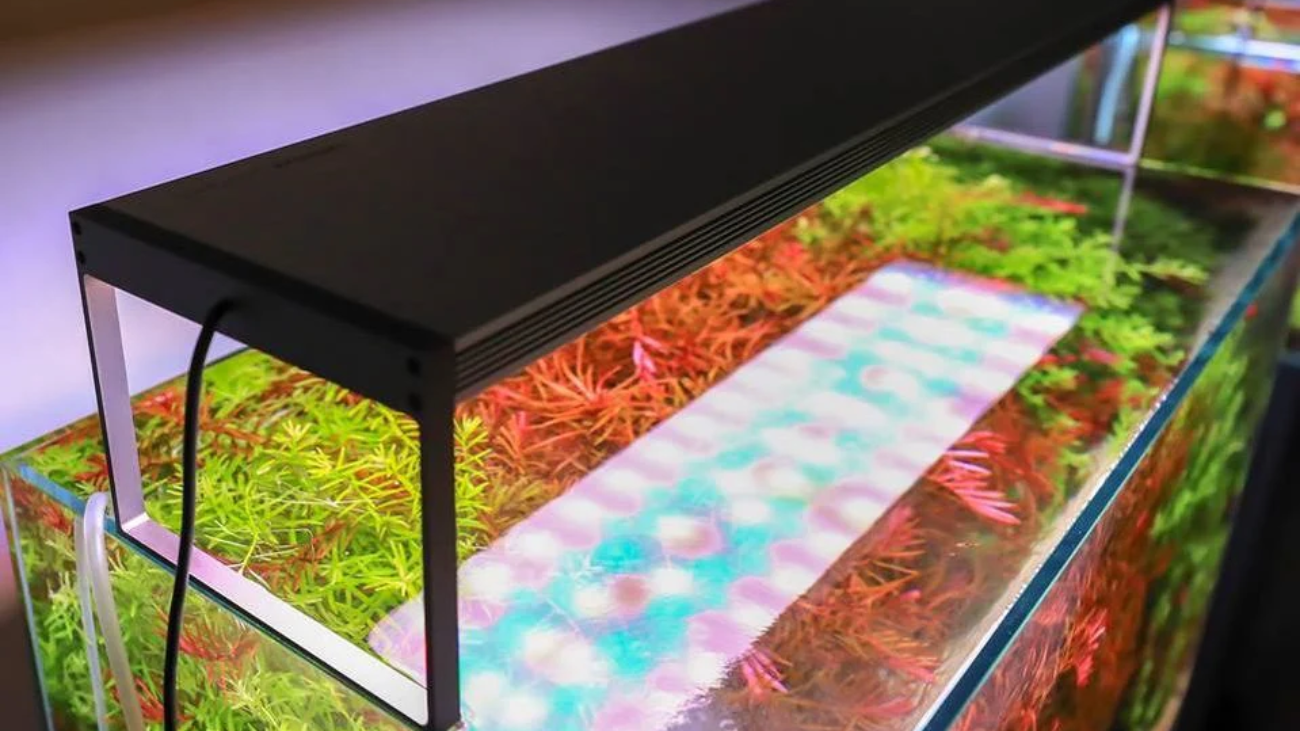
twinstar600s

💡 Planted Tank Lighting: The Complete Beginner’s Guide
Lighting is one of the most important factors in a successful planted aquarium. Without the right balance of intensity, spectrum, and duration, even the best aquascape will struggle to thrive. Proper lighting fuels photosynthesis, promotes vibrant plant growth, and helps bring out the natural colors of both plants and fish.

For beginners, lighting can feel overwhelming. Some common questions include:

  • How many hours per day should lights run?
  • Which type of light is best — LED, fluorescent, or others?
  • What spectrum do aquarium plants need?
  • How do I avoid algae problems caused by too much light?

This guide will answer those questions and provide the knowledge to choose and use the right lighting for your planted tank.


💡 Understanding Aquarium Lighting

Plants rely on light for photosynthesis, which powers growth and coloration. Unlike decorative fish tanks, a planted aquarium requires specific light wavelengths and intensity to stay healthy.

The three most important aspects of aquarium lighting are:

1 Light Intensity

  • Measured in PAR (Photosynthetically Active Radiation).
  • Low light: good for hardy plants (Anubias, Java Fern).
  • Medium-high light: needed for carpets and red plants.

2 Light Spectrum

  • Plants absorb mainly blue (450 nm) and red (660 nm) light.
  • Full-spectrum LED lights mimic natural daylight (5000–7000K).
  • A balanced spectrum enhances plant growth and fish coloration.

3 Duration

  • Most planted tanks need 6–8 hours/day of light.
  • Too much light → algae bloom.
  • Use a timer to maintain a consistent cycle.

🔦 Types of Aquarium Lights

Not all aquarium lights are equal. Here are the most common types:

1 LED Lights 🌟

  • Energy-efficient and long-lasting.
  • Adjustable intensity and spectrum in advanced models.
  • Best choice for most planted aquariums.

2 Fluorescent Lights

  • Older technology, still works for low-medium light plants.
  • Less efficient compared to LEDs.

3 Metal Halide Lights

  • Extremely powerful — used for deep aquariums and advanced setups.
  • Not recommended for beginners due to heat and energy cost.

🌱 Matching Plants with Lighting

Different plants have different light requirements:

Low-Light Plants (No CO₂ Needed):

  • Anubias
  • Java Fern
  • Cryptocoryne
  • Java Moss

Medium-Light Plants:

  • Amazon Sword
  • Vallisneria
  • Hygrophila species

High-Light Plants (Better with CO₂):

  • Dwarf Hairgrass
  • Monte Carlo
  • Rotala species (red stem plants)
  • Ludwigia species
💡 Tip: Always match your lighting to the plants you want to grow. Too much light without enough nutrients or CO₂ will cause algae.

🛠 Setting Up Your Lighting Schedule

A proper lighting schedule prevents algae and keeps plants healthy:

  • Start with 6 hours/day for new tanks.
  • Gradually increase to 8 hours/day once plants establish.
  • Split lighting (4 hours on, 2-hour break, 4 hours on) can help reduce algae.
  • Use a smart plug or timer for consistency.

⚡ Common Beginner Lighting Mistakes

  • Running lights 12+ hours/day → algae takeover.
  • Buying decorative “fish-only” lights that don’t support plant growth.
  • Placing the tank near a window → sunlight fuels algae.
  • Not upgrading lights when switching to high-demand plants.

🌟 What’s Next?

This guide covers the essentials of planted tank lighting. But lighting connects closely with substrates, CO₂, and fertilizers — all of which affect plant growth. At Urban Nature Arts, we’ll publish more detailed guides on:

🌱 Choosing the Best Substrate for Your Aquarium

🌬️ Do You Really Need CO₂? A Beginner’s Guide

🌿 Fertilizers & Nutrients Explained


✅ With the right lighting, your planted aquarium will become a lush, vibrant underwater garden. Start with simple, adjustable LED lights, observe your plants, and fine-tune over time.
Join Our WhatsApp Group

33

🌿 Aquascaping for Beginners: The Complete Guide

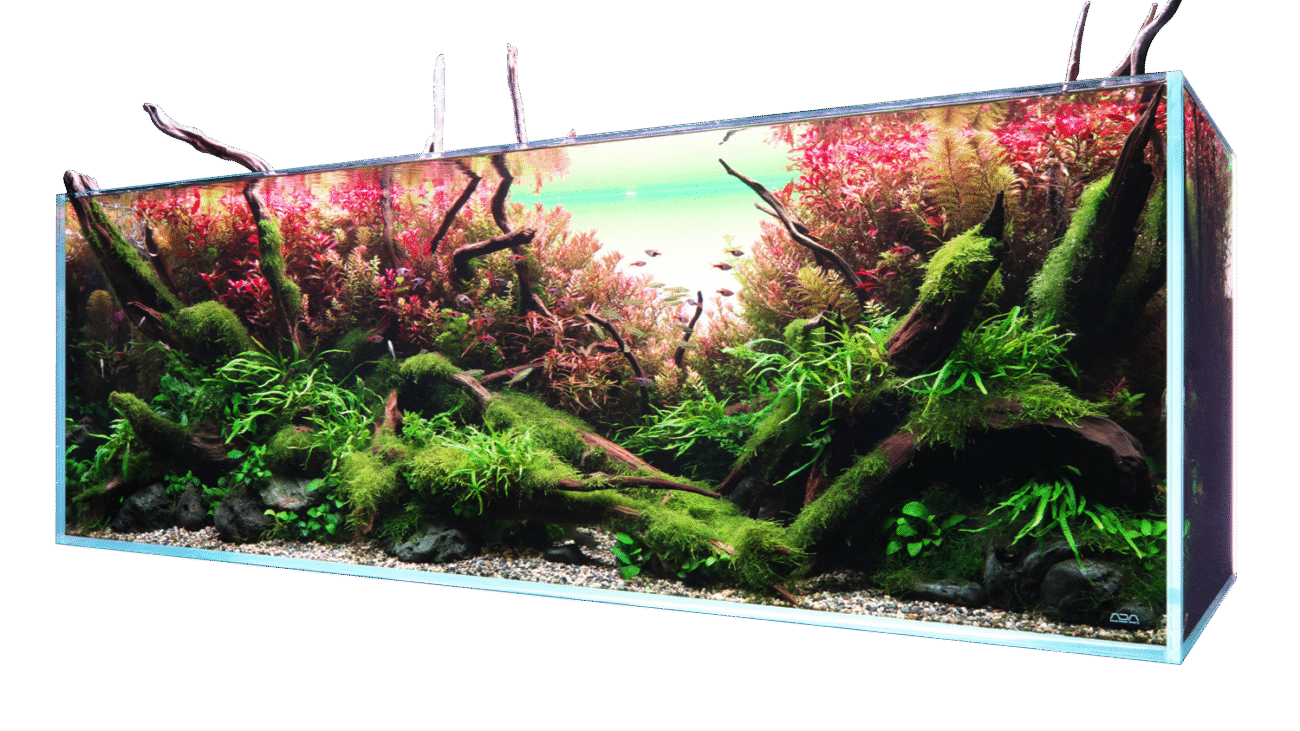
Aquascaping is more than just placing plants in an aquarium — it is a blend of art, science, and nature. By carefully arranging aquatic plants, stones, driftwood, and fish, you can create a breathtaking underwater landscape that resembles a slice of nature in your living space.

For many beginners, aquascaping can feel intimidating. There are so many questions:

  • Which plants are easy to grow?

  • What equipment do I really need?

  • How do I stop algae from taking over?

  • Do I need CO₂ and special lighting?

This guide will answer those questions and give you the foundation to start your first aquascape successfully.

🌊 What is Aquascaping?

Aquascaping is the practice of arranging aquatic plants and hardscape (rocks, driftwood, sand) inside an aquarium in an aesthetically pleasing and functional way. Unlike regular fishkeeping, the main focus is on design and plant growth, though fish and shrimp often play a supporting role in completing the ecosystem.

The beauty of aquascaping is that it allows you to bring a piece of nature into your home. Each aquascape is unique — some mimic forests or rivers, others resemble mountain valleys or underwater jungles.


🎨 Popular Aquascaping Styles

Before setting up your tank, it’s helpful to understand the major design styles:

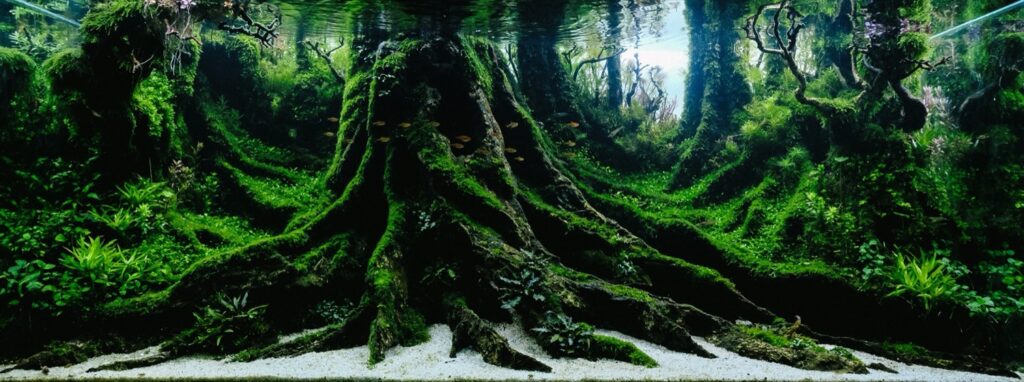
1 Nature Aquarium (Takashi Amano style)

  • Inspired by landscapes (mountains, forests, rivers).
  • Focus on harmony and natural beauty.
  • Often uses driftwood, stones, and lush plant growth.

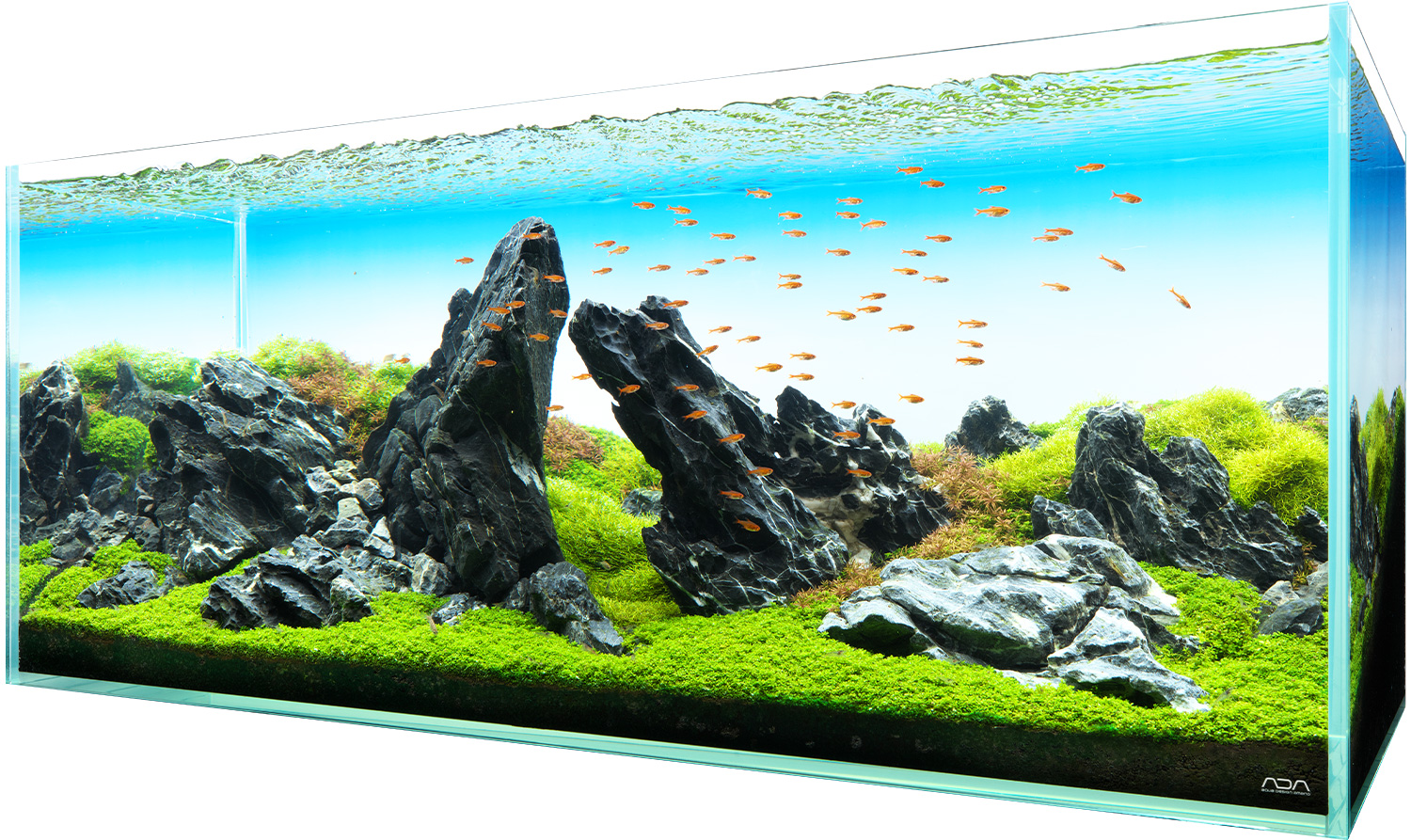
2 Iwagumi

  • Minimalist style focused on rocks.
  • Typically uses an odd number of stones (main stone + supporting stones).
  • A few plant species, often with carpeting plants.

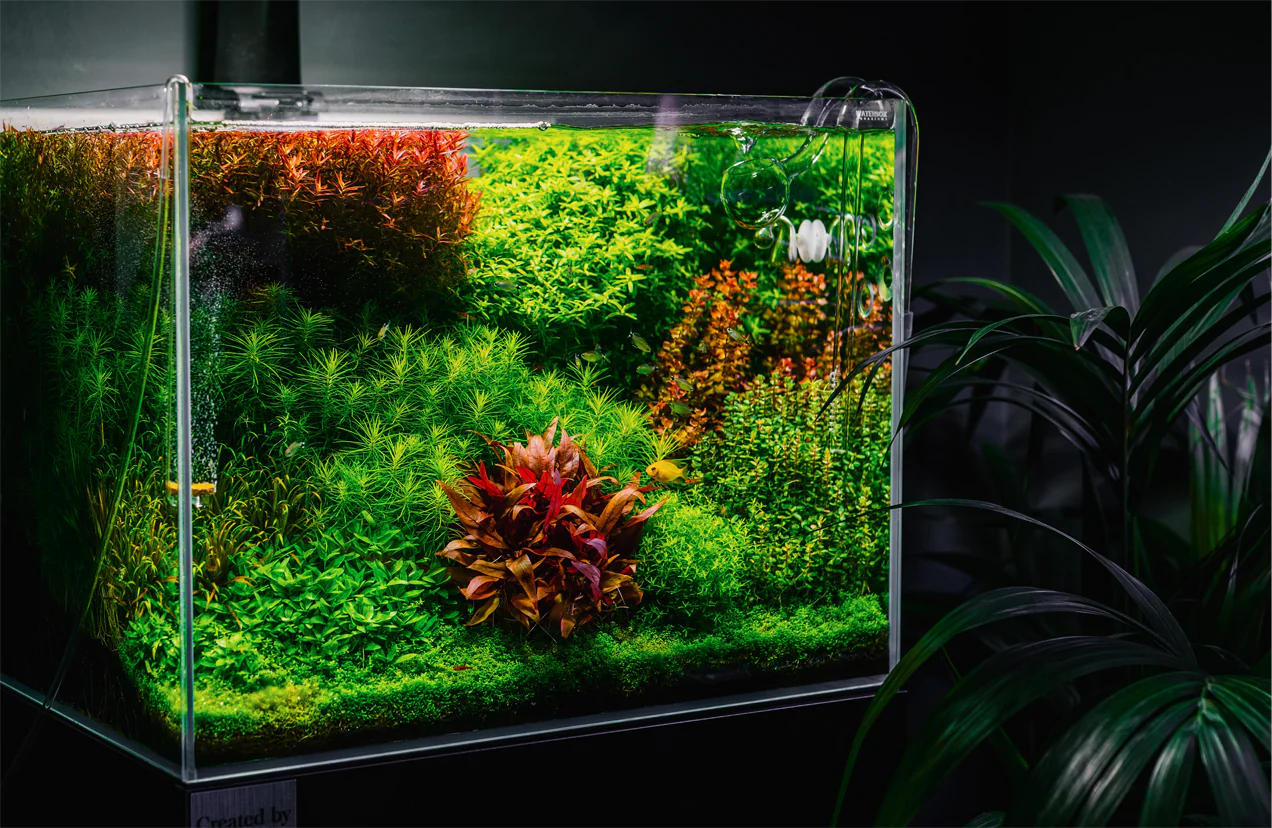
3 Dutch Style

  • Colorful, garden-like arrangement of plants.
  • No rocks or wood — plants are the stars.
  • Rows of contrasting textures and colors.

4 Jungle Style

  • Dense, untamed growth that looks natural and wild.
  • Great for beginners because it allows flexibility.

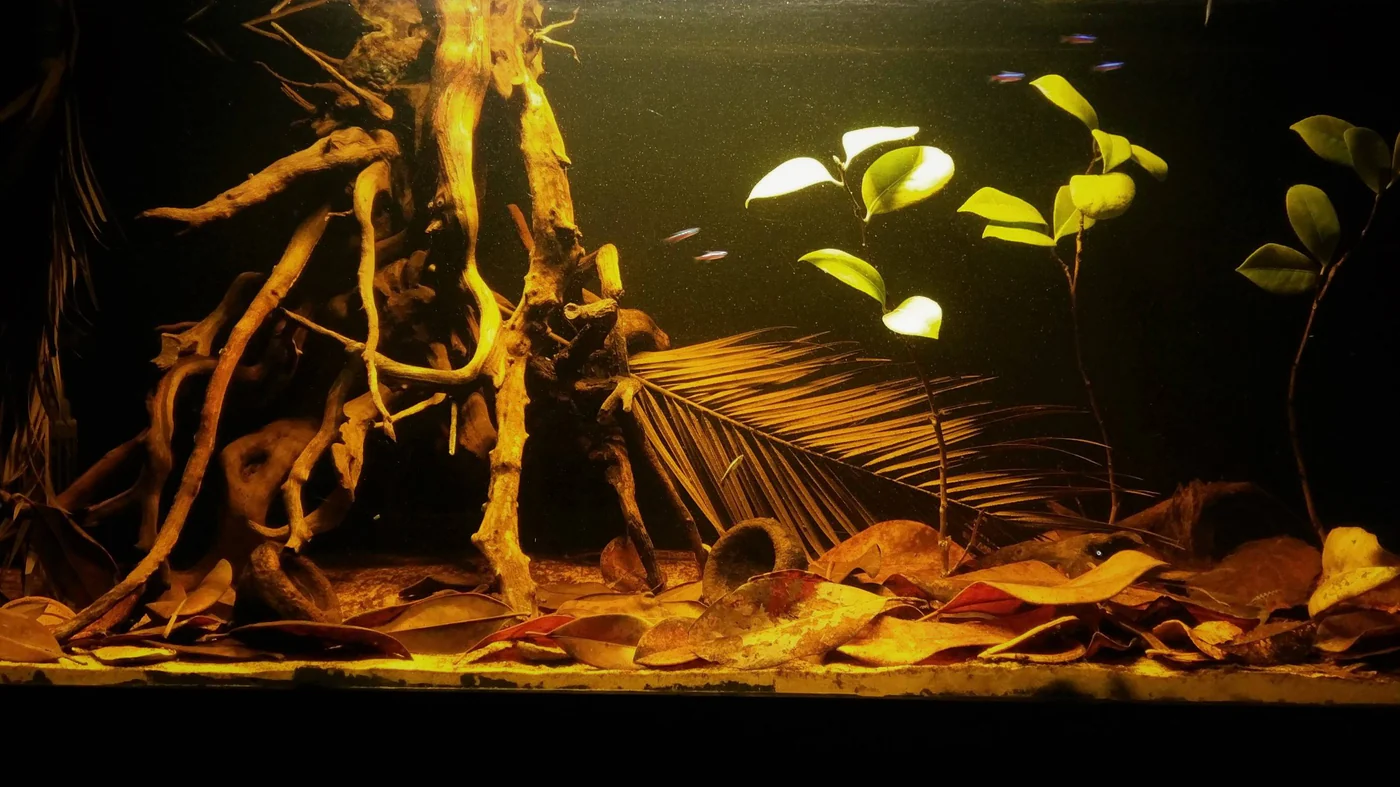
5 Biotope

  • Focused on recreating a natural habitat exactly (Amazon riverbank, Asian stream, etc.).
  • Includes native plants, fish, and layout.
    •  


🛠 Equipment You’ll Need

Setting up an aquascape doesn’t have to be expensive, but certain tools make life easier.

1. Aquarium Tank

For beginners, 30–60 liters is ideal.

Use nutrient-rich aquarium soil (e.g., ADA Aqua Soil, Tropica Soil).

Inert substrates like sand or gravel can work if supplemented with root tabs.

(📌 Upcoming blog: Choosing the right substrate for planted tanks.)

5. Hardscape

Stones: Seiryu stone, lava rock, dragon stone.

A larger tank is more stable but more expensive.

A simple rimless glass tank looks clean and modern.

2. Lighting 💡

Plants require sufficient light for photosynthesis.

Light intensity, spectrum, and duration affect plant growth.

Beginners can start with LED aquarium lights designed for planted tanks.

(📌We’ll publish a detailed guide on lighting soon.)

3. Filtration

A good filter keeps water clean and provides oxygen.

Canister filters are powerful but more expensive.

Hang-on-back filters are affordable and easy to set up.

4. Substrate 🌱

Wood: Spider wood, driftwood, manzanita.

Always use aquarium-safe materials.

6. CO₂ System (Optional but Recommended) 🌬️

Boosts plant growth and helps carpets thrive.

DIY options exist, but pressurized systems are most stable.

Beginners can start without CO₂ but may see limited plant choices.

7. Fertilizers 🌿

Plants need macronutrients (N, P, K) and micronutrients (Fe, Mg, etc.).

Start with an all-in-one liquid fertilizer.

Root tabs help heavy root-feeders like Amazon Swords.

8. Aquascaping Tools

Tweezers for planting.

Scissors for trimming.

Spatula for leveling substrate.


🌱 Beginner-Friendly Plants

Choosing the right plants is critical. Start with hardy, low-maintenance species:

Easy Plants (No CO₂ Needed):

Java Fern (Microsorum pteropus)

Anubias (Anubias nana, Anubias barteri)

Java Moss

Cryptocoryne (Crypt wendtii, Crypt balansae)

Amazon Sword (Echinodorus species)

Vallisneria (good for background)

Moderate Plants (Better With CO₂):

Dwarf Hairgrass (Eleocharis)

Monte Carlo (Micranthemum)

Rotala rotundifolia

Ludwigia species (adds red color)

Tip: Start with hardy plants like Anubias and Java Fern!

🪨 Step-by-Step Setup Guide

Plan Your Layout ✏️

Decide on your style.

Sketch or look at aquascaping inspirations.

Prepare the Tank

Clean glass (no soap, just rinse).

Add Substrate

Slope it upward toward the back for depth.

Place Hardscape

Position rocks/wood first.

Follow the rule of thirds for balance.

Planting

Background: tall plants (Vallisneria, Amazon Sword).

Midground: bushy plants (Crypts, Rotala).

Foreground: carpets (Monte Carlo, Hairgrass).

Attach Anubias/Java Fern to rocks or wood (don’t bury rhizomes).

Fill the Tank

Pour water slowly onto a plate to avoid disturbing the layout.

Start Equipment

Turn on the filter and lights.

CO₂ (if using).

Cycle the Tank

Let the tank establish beneficial bacteria before adding fish (2–4 weeks).


🔧 Maintenance Tips

Lighting: 6–8 hours/day (use a timer).

Water Changes: 20–30% weekly.

Trimming: Regularly prune to prevent overgrowth.

Algae Control:

Add shrimp, snails, or algae-eating fish.

Balance light and nutrients.


🐟 Choosing Fish & Invertebrates

Fish bring life and movement to your aquascape, but choose species that match your tank size and plant style.

Beginner-Friendly Fish:

Neon Tetras

Guppies

Harlequin Rasboras

Corydoras Catfish

Clean-Up Crew:

Amano Shrimp (great algae eaters)

Nerite Snails

Otocinclus Catfish

⚠️ Avoid fish that dig heavily (like goldfish or large cichlids) in planted tanks.


⚡ Common Beginner Mistakes

Adding fish before the tank is cycled.

Using poor lighting → weak plant growth.

Overfeeding fish → algae blooms.

Choosing advanced plants (like red stem plants) without CO₂.

Not trimming plants → messy, unbalanced layout.


🌟 What’s Next?

This guide gives you the big picture of aquascaping. But each component — lighting, substrates, fertilizers, CO₂ — deserves its own deep dive. That’s why at Urban Nature Arts, we’ll be publishing beginner-friendly, detailed guides such as:

💡 Planted Tank Lighting: The Complete Beginner’s Guide

🌱 Aquarium Substrates: Which One Should You Choose?

🌬️ Do You Really Need CO₂? A Beginner’s Guide

🌿 Fertilizers & Nutrients Explained

🐟 Best Beginner Fish for Aquascaped Tanks


✅ With patience, research, and regular care, your aquarium will transform into a living piece of nature and art. Start small, learn as you go, and watch your skills grow with every tank you build.

Welcome to the world of aquascaping! 🌊🐠🌿

Join Our WhatsApp Group